
DATACC BY DIME PROJECT
Defining core digital measures for
Pediatric rare disease research & care


Implementing core measures of pediatric rare diseases in care management workflow
This resource will help you build holistic, digitally enabled care pathways for pediatric rare disease patients and their families. The pediatric rare disease patient journey map includes actionable tips for integrating digital measures into care workflows, along with real-world case studies that illustrate how holistic care models can be successfully implemented.
From onset to adulthood: The pediatric rare disease journey
The pediatric rare disease journey map is a vital tool for illuminating the complex, multifaceted, and often delayed path faced by affected children and their families.

Clinical onset & presentation
- Early signal detection & characterization
- Structured pre-diagnostic evidence
Diagnosis
- Objective digital phenotyping
- Unified diagnostic data environment
- Integrating genetic testing into the workflow
Treatment
- Treatment response tracking in small pediatric cohorts
- Supporting drug discovery & clinical trial access
- Optimizing for personalized therapies
Care
- Integrate treatment data into coordinated care
- Proactively manage care & coordinate responses to events
Education
- Cross-sector coordination
- Supporting individualized education plans (IEPs) and school accommodations
- Enhancing safety and readiness in school settings
Transition to adulthood
- Preparing adolescents for independent self-management
- Supporting transition from pediatric to adult care teams
This patient journey map is an adopted visual schema defined by the Data, Digital and Technology Taskforce of the World Health Organization (WHO) Global Network for Rare Diseases. The schema is based on the patient and family journey from seeking a diagnosis to care and its coordination.
Clinical onset & presentation
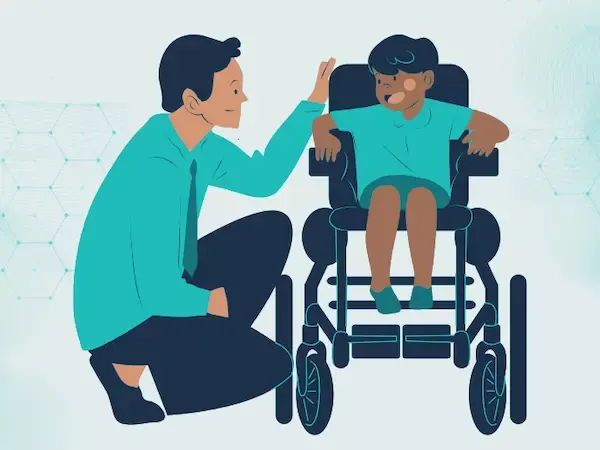
Most rare diseases start in childhood (~70%).
Early signs are frequently non-specific (developmental delays, multi-system features) and first noticed in primary care, community services, or school settings. This makes early recognition and referral pathways essential.
During clinical onset and presentation, digital clinical measures can:
- Capture subtle functional changes at home (motor slowing, atypical sleep, fatigue patterns, autonomic instability) that may indicate early disease expression before clear clinical signs emerge.
- Identify developmental deviations through continuous tracking of milestones, communication, and movement patterns compared to individualized or age-adjusted baselines.
- Flag early red-flag events such as atypical nighttime events, breathing irregularities, seizure-like episodes, or abnormal recovery times after routine illness.
- Capture environmental and routine impacts (school tolerance, fatigue cycles, recovery after illness) to contextualize the onset pattern and guide urgency of evaluation.
- Create objective pre-diagnostic logs of symptoms, events, sleep disruptions, activity level changes, and caregiver-observed anomalies to support specialist referrals.
- Generate “functional fingerprints” by measuring how the child responds to everyday perturbations—illness, exertion, fatigue—to clarify phenotype in rare diseases with variable presentation.
- Capture environmental/contextual clues (routine disruptions, activity intolerance, school day impact) that inform presentation and diagnostic urgency.
Diagnosis
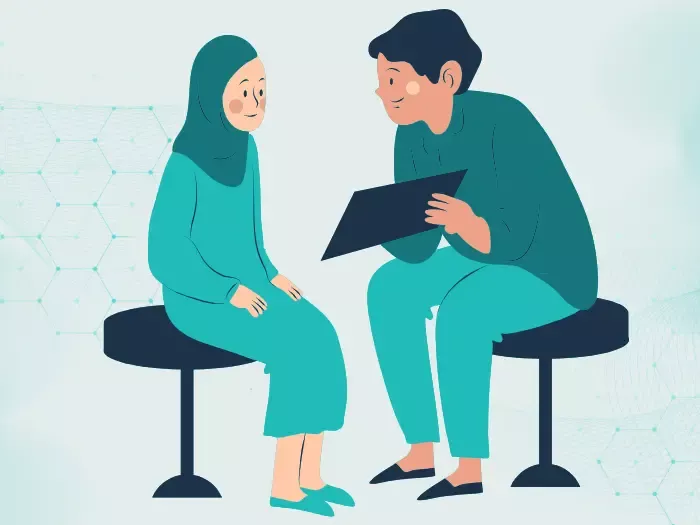
The diagnostic phase is typically long – recent European data put the average total time to diagnosis at around five to seven years – often involving multiple referrals, misdiagnoses, and repeat testing. Embedding genetics and structured referral into pathways helps shorten this “diagnostic odyssey.”
During diagnosis, digital clinical measures can:
- Create structured digital phenotypes such as longitudinal motor, communication, autonomic, and recovery patterns, allowing digital tools to pattern-match against known rare disease signatures for earlier and more accurate diagnosis.
- Combine multiple signals (sleep + movement + autonomic patterns) to distinguish typical developmental variations from atypical patterns suggestive of rare disease.
- Generate pre-diagnostic summaries with trend lines, event frequencies, and variability patterns to support more focused and efficient specialist evaluations.
- Use AI-enabled decision support tools that combine digital phenotypes, genetic results, and clinical findings to narrow differentials, flag overlooked conditions, and guide next-step testing.
- Store all data (digital measures, genetics, clinical notes) in interoperable FHIR formats to ensure specialists receive a comprehensive, integrated view at the diagnostic visit.
- Link genetic results with digital measures inside the EHR to support phenotype–genotype correlation and strengthen diagnostic confidence, especially in disorders with broad phenotypic variability.
Treatment
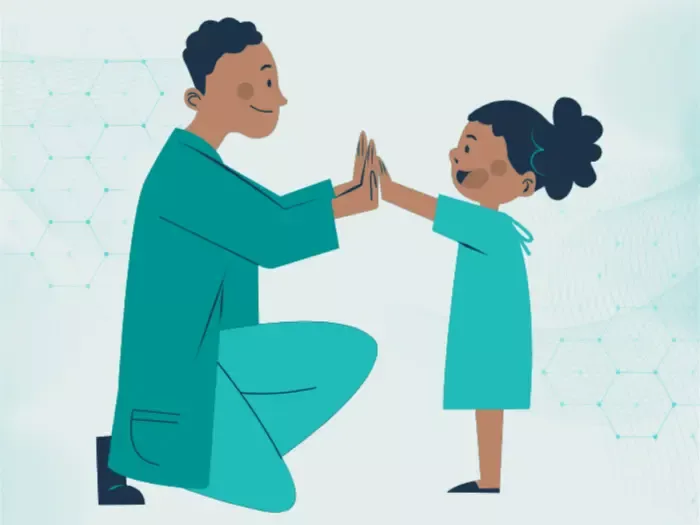
Treatment strategies vary widely and may include therapy targeting the disease mechanism, symptomatic treatments to manage the manifestations of the condition, or gaining access to clinical trials for experimental or cutting-edge therapies. Treatment is rarely curative and typically requires chronic, specialized administration.
During treatment, digital clinical measures can:
- Capture real-time responder patterns through wearables and home monitors such as improvements in ambulation, sleep efficiency, autonomic stability, or reduced seizure/event rates to detect meaningful treatment signals even when sample sizes are very small.
- Measure recovery trajectories after exertion, illness, or therapy changes to identify early signs of benefit or worsening that are difficult to observe during infrequent clinic visits.
- Quantify caregiver burden shifts (night wakings, transfer assistance, daily care time) as a clinically relevant treatment outcome for pediatric rare diseases.
- Use digital response clusters to rank promising therapeutic candidates and identify phenotypes most likely to respond, helping optimize trial design and cohort selection.
- Leverage home event rates, adherence indicators, and reliability data to pre-screen families, enrich small cohorts, and reduce screen failures in geographically dispersed populations.
- Simulate endpoints and trajectories from collected home data to model effect sizes, evaluate feasibility, and refine trial endpoints before study launch that is critical in ultra-small populations.
- Monitor changes in symptoms, behavior, and physiology continuously to personalize dosing schedules, titration timing, or therapy intensity based on each child’s unique pattern of response.
- Detect treatment-related safety triggers, such as seizure clusters, autonomic instability, unusual sleep disturbances, or sudden shifts in activity level, enabling rapid clinical intervention.
Care (Holistic & cross-expert)
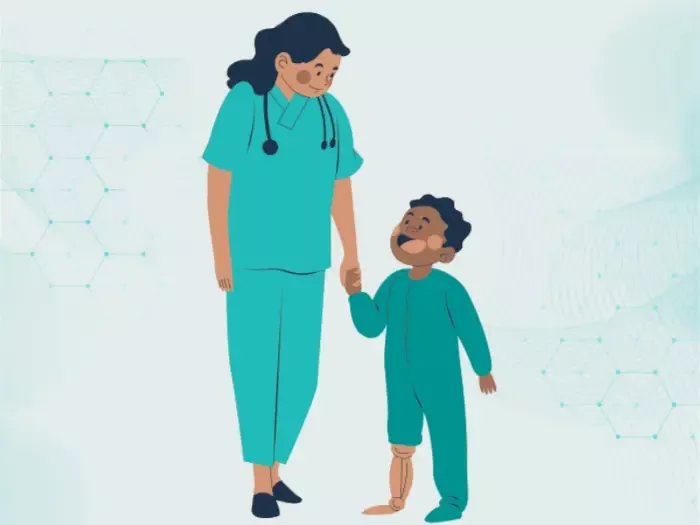
Children and families need coordinated, multidisciplinary care (medical specialists, nursing, psychology, social work, and allied health), plus peer/community support and help with practical/financial barriers. Cross-sector models and care centers formalize this coordination to reduce fragmentation and improve outcomes in a holistic care model that extends well beyond medication.
During patient care, digital clinical measures can:
- Feed treatment-response insights into shared care plans so neurologists, geneticists, therapists, school teams, and caregivers stay aligned on what is changing and why.
- Document treatment adjustments and outcomes in interoperable formats (FHIR), supporting continuity across specialist care, community care, and future clinical trial participation.
- Update shared care plans in the EHR with objective, longitudinal data so all providers (clinical, community, school, home care) work from the same source of truth.
- Use personalized thresholds and alert rules to route concerning trends to the right clinician (neurologist, geneticist, therapist, nurse navigator) with standard next steps like tele-visits, med adjustments, or care-plan updates.
- Reduce caregiver burden by replacing manual tracking (paper diaries, repeated night checks) with automated, passive capture that surfaces only the events that truly need attention.
- Batch non-urgent alerts and manage escalation pathways to avoid overwhelming families or care teams while still ensuring timely response.
Education
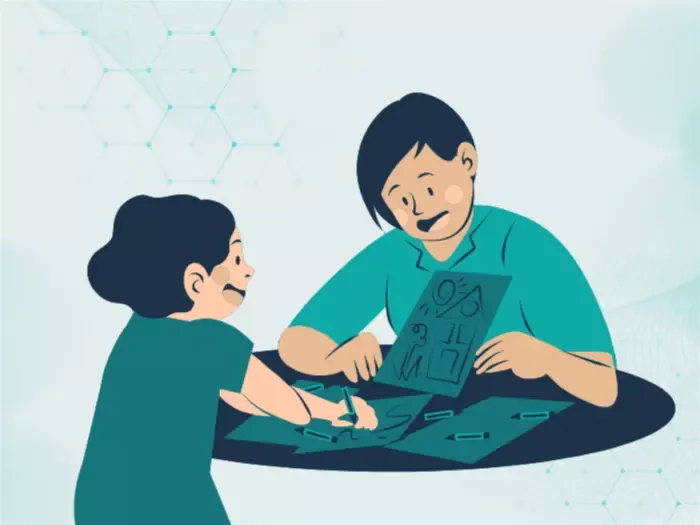
Care plans should explicitly address schooling: documenting learning needs, arranging reasonable adjustments, and connecting families with special education services and supports. This stage involves the need to develop and implement tailored education plans, such as Individualized Education Programs (IEPs) or 504 Plans. Accessing special education options is often necessary to accommodate physical, cognitive, or developmental limitations caused by the disease, ensuring the child can continue to learn and develop alongside their peers.
During education, digital clinical measures can:
- Share relevant digital insights with school teams, therapists, and community providers to support individualized education plans, therapy programs, and safety planning.
- Highlight functional progress such as improved stability, reduced events, increased independence to reinforce positive developments and adjust school-based interventions.
- Provide objective data on fatigue, mobility consistency, sleep quality, and autonomic stability to inform IEPs, 504 plans, and school accommodations that align with the child’s daily realities.
- Share functional trends with school teams—activity tolerance, seizure frequency, concentration patterns—to guide appropriate supports, safety measures, and daily schedule adjustments.
- Use digital alerts or event logs (seizures, respiratory events, dysautonomia episodes) to inform school nurses and support staff about risks that require monitoring or emergency planning.
- Use age-appropriate digital dashboards to help older children recognize their own patterns (fatigue cues, recovery needs), building early self-management and self-advocacy skills.
- Support learning about condition management by showing how daily routines, sleep, or activity choices affect their health and functioning.
Transition to adulthood

The transition stage involves the critical process of preparing a young person for life and care as an adult. This requires careful planning, including transferring from pediatric specialists to adult-based healthcare providers. Successful transition ensures continuity of specialized medical care, psychosocial support, and independent living skills training.
During transition to adulthood, digital clinical measures can:
- Provide young people with simplified views of their own digital data—patterns in sleep, symptoms, activity, or autonomic stability—to build confidence in managing their condition.
- Use trend data to teach early warning signs (e.g., stress-induced instability, seizure precursors, recovery delays) and appropriate mitigation steps.
- Use digital adherence trends to help adolescents learn medication timing, symptom tracking, and self-monitoring habits before they leave pediatric oversight.
- Share longitudinal digital phenotypes with adult providers to ensure continuity of insight, especially valuable in rare diseases with limited natural-history knowledge.
- Document historic patterns (baseline variability, triggers, response to therapies) to help adult clinicians quickly understand the patient’s individualized needs.
- Provide digital summaries for transition planning teams (pediatric specialists, adult clinicians, school counselors, vocational programs) to support planning for college, employment, or supported living.
- Highlight functional capabilities and safety considerations such as activity tolerance, endurance, risks that help determine appropriate accommodations or living arrangements.
- Maintain interoperable data flow (via FHIR) so pediatric-collected digital measures, genetic results, and clinical insights transition fully into adult EHR systems.